
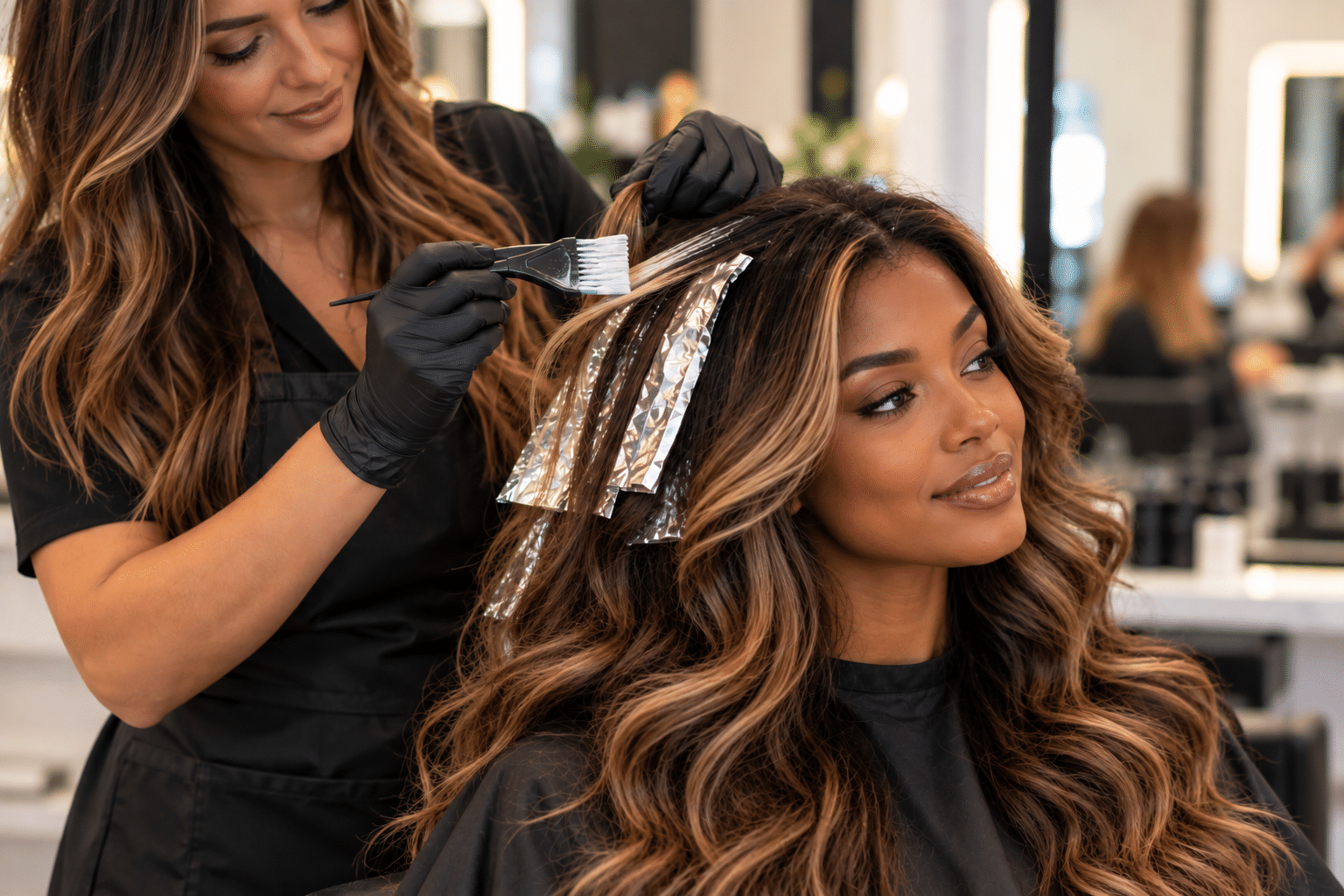
Florida Hair Care Routine: Protecting Your Hair From Heat, Humidity & Sun
Living in Florida means enjoying plenty of sunshine and warm weather, but the climate can also create unique challenges for your hair. High humidity, intense sunlight, frequent swimming, heat, and air conditioning can all influence how your hair looks and feels.
A consistent Florida hair care routine can help you manage these conditions while protecting your color, controlling unwanted frizz, maintaining moisture, and keeping your hair easier to style.
The best routine depends on your individual texture, condition, chemical history, and lifestyle. However, a few practical strategies can help almost anyone protect hair in Florida weather.

Why Does Florida Weather Affect Your Hair?
Florida combines several environmental factors that can affect hair at the same time.
Depending on your lifestyle, your hair may regularly encounter:
- High humidity
- Strong sunlight
- Hot temperatures
- Chlorinated swimming pools
- Saltwater
- Frequent washing
- Indoor air conditioning
- Heat styling
How strongly your hair responds depends on its natural texture, porosity, condition, color history, and daily routine.
How Humidity Affects Hair in Florida
Humidity can make hair behave differently because moisture in the surrounding air interacts with the hair.
For some people, this means frizz and flyaways. Others notice their hair becomes puffy, curls lose definition, or a carefully styled blowout doesn’t last as long outdoors.
Dry, porous, chemically processed, and damaged hair may respond particularly noticeably to changing humidity.
Keep Hair Appropriately Conditioned
Conditioning should form an important part of your Florida hair care routine.
Choose shampoo and conditioner according to your hair type rather than simply selecting the heaviest moisturizing products available. Fine hair may need lightweight hydration, while coarse, curly, or chemically processed hair may benefit from richer conditioning.
Use Leave-In Products When Needed
A leave-in conditioner can provide additional moisture and manageability after washing.
Depending on your hair, you may prefer a lightweight spray, lotion, cream, or another leave-in formula.
How to Protect Hair in Florida Weather and Sunshine
Florida sunshine means your hair can receive substantial UV exposure, particularly if you spend significant time outdoors.
Sun exposure can contribute to dryness and may affect the appearance of color-treated hair over time.
Cover Your Hair During Extended Sun Exposure
A hat provides a simple physical barrier when you’re spending long periods outside.
This can become especially useful during beach days, boating, outdoor sporting events, theme-park visits, and other activities that keep you in direct sunlight for hours.
Ask Your Stylist About UV Hair Products
Some hair-care products include ingredients intended to help protect hair during environmental exposure.
Your stylist can recommend products based on your texture, color, and styling routine rather than assuming one product works equally well for everyone.
Florida Hair Care Routine for Color-Treated Hair
Professionally colored hair may require additional attention in Florida because sunlight, swimming, frequent washing, and heat styling can all influence its appearance and condition.
If you regularly color or highlight your hair, consider:
- Using products appropriate for color-treated hair
- Avoiding unnecessarily hot water
- Using heat protection before styling
- Conditioning according to your hair’s needs
- Protecting your hair during prolonged sun exposure
- Rinsing your hair after swimming
- Following the maintenance schedule recommended by your stylist
If you’re considering changing your color, Bell Arte Hair Studio offers professional hair color and highlights customized around your starting hair, desired result, and maintenance preferences.
How Florida Swimming Pools Can Affect Hair
Swimming is part of everyday life for many Florida residents, but frequent pool exposure can leave some hair feeling dry or difficult to manage.
Chlorinated water can become particularly noticeable on lightened, color-treated, porous, or chemically processed hair.
Wet Your Hair Before Swimming
Rinsing your hair with clean water before entering the pool is a simple step you can add to your routine.
Rinse After Leaving the Pool
Don’t allow pool water to remain in your hair longer than necessary. Rinse thoroughly with clean water after swimming.
Condition According to Your Hair’s Needs
If you swim frequently, talk with your stylist about whether your normal conditioning routine provides enough moisture or whether you should occasionally incorporate additional conditioning.
What About Florida Beaches and Saltwater?

Saltwater, wind, sunshine, and heat can combine during a beach day and leave hair tangled or dry.
Before heading to the beach, consider wearing your hair in a loose braid or another controlled style to reduce tangling.
After swimming, rinse your hair with fresh water and detangle it gently rather than aggressively brushing through knots.
How to Control Frizz During Florida Humidity
Frizz is one of the most common hair concerns in warm, humid climates.
Although no routine can change the weather, you can reduce some of the factors that make your hair more difficult to manage.
Reduce Friction While Drying
Avoid aggressively rubbing wet hair with a bath towel. Instead, gently blot or squeeze away excess water.
Use Appropriate Styling Products
Depending on your hair type, leave-in conditioners, smoothing creams, serums, or lightweight oils may help improve manageability.
Start with a small amount of product and increase only when necessary.
Use Controlled Blow-Drying Techniques
If you prefer a smooth finish, use a concentrator nozzle and direct airflow along the hair rather than blowing it in several directions.
Always use appropriate heat protection before heat styling.
Can Professional Smoothing Treatments Help in Florida?
Some people find that home styling alone doesn’t provide the manageability they want during humid Florida weather.
Professional smoothing services may provide another option depending on your hair and desired result.
For clients looking for longer-lasting smoothing and easier styling, Bell Arte offers professional keratin treatments designed to improve manageability and reduce unwanted frizz.
Protect Hair in Florida Weather Without Overusing Heat
When humidity disrupts a hairstyle, it can become tempting to repeatedly use a flat iron, curling iron, or blow dryer.
However, adding more heat isn’t always the best solution.
Instead:
- Use heat protection
- Choose an appropriate temperature
- Avoid repeatedly passing hot tools over the same section
- Experiment with styles that work with your natural texture
- Use controlled hairstyles on extremely humid days
The American Academy of Dermatology provides recommendations for reducing practices that can contribute to hair damage, including excessive heat and rough handling.
Florida Hair Care Routine for Blonde and Highlighted Hair
Blonde and highlighted hair may need particular attention because lightening changes the hair and can increase the importance of appropriate conditioning and heat protection.
If you spend significant time outdoors or in swimming pools, discuss your lifestyle with your colorist. Your stylist can recommend a maintenance routine based on your specific blonde rather than relying on generic advice.
Don’t Automatically Overuse Purple Shampoo
Purple shampoo can help neutralize certain unwanted yellow tones, but it isn’t necessary during every wash and isn’t appropriate for every blonde.
Ask your stylist how frequently you should use toning products for your specific shade.
How Often Should You Wash Your Hair in Florida?
There isn’t one washing schedule that works for everyone.
Florida’s heat can cause some people to sweat more frequently, while swimming and outdoor activities can create additional reasons to wash or rinse the hair.
Your ideal frequency depends on:
- Your scalp
- Your hair texture
- Your activity level
- Your styling products
- Whether your hair is color-treated
- How frequently you swim
Instead of following a rigid schedule, develop a routine around your scalp and hair’s actual needs.
Don’t Forget Your Scalp During Florida’s Hot Weather
A healthy hair-care routine should include the scalp as well as the hair itself.
Sweat, oil, styling products, and environmental exposure can accumulate on the scalp.
Cleanse according to your individual needs and avoid aggressively scratching or scrubbing your scalp.
The American Academy of Dermatology offers additional healthy hair-care recommendations covering washing, conditioning, drying, and styling.
Seasonal Changes to Your Florida Hair Care Routine
Although Florida remains relatively warm throughout much of the year, your hair’s needs can still change with the seasons and your activities.
During particularly humid periods, you may focus more heavily on manageability and frizz control. During periods of frequent swimming or outdoor activity, you may need additional conditioning and environmental protection.
Pay attention to how your hair responds rather than assuming your routine should remain identical throughout the entire year.
Florida Hair Care for Hair Extensions
If you wear professional hair extensions, Florida’s climate makes proper maintenance particularly important.
Follow your extension specialist’s instructions for washing, conditioning, brushing, swimming, sleeping, and heat styling.
After swimming, avoid leaving extensions wet for unnecessarily long periods. Carefully detangle according to the maintenance instructions provided for your extension method.
Always ask your extension specialist which products work appropriately with your specific extension system.
Frequently Asked Questions About Florida Hair Care
Why Does My Hair Get So Frizzy in Florida?
Florida’s high humidity can interact with the hair and make frizz, puffiness, or changes in texture more noticeable. Your hair’s porosity, natural texture, condition, and chemical history can influence how strongly it reacts.
How Can I Protect My Hair From Florida Humidity?
Use appropriate conditioning, reduce friction while drying, apply styling products suited to your hair, use controlled blow-drying techniques, and limit unnecessary heat exposure.
Does Florida Sun Damage Hair?
Extended environmental exposure can contribute to dryness and affect the appearance of color-treated hair. Hats and appropriate hair-care products can form part of your outdoor routine.
Should I Wash My Hair After Swimming in a Florida Pool?
Rinse your hair thoroughly with clean water after swimming so chlorinated pool water doesn’t remain on your hair longer than necessary.
How Should I Care for Blonde Hair in Florida?
Focus on appropriate conditioning, heat protection, sun protection, post-swimming care, and the maintenance routine recommended by your colorist.
Can Keratin Treatments Help With Florida Humidity?
Professional keratin treatments can help some clients achieve smoother, more manageable hair and reduce unwanted frizz. Whether the treatment fits your hair depends on its condition, texture, and your desired result.
Does Florida Weather Affect Hair Extensions?
Humidity, swimming, heat, and frequent outdoor activity can make proper extension maintenance particularly important. Follow the care instructions provided by your extension specialist.
Create a Florida Hair Care Routine That Fits Your Hair

by Armando Ching San (https://unsplash.com/@acx)
A successful Florida hair care routine doesn’t require using dozens of products. Instead, focus on understanding how your individual hair responds to humidity, sunlight, swimming, heat, and your everyday styling routine.
Condition appropriately, protect your hair during heat styling and extended outdoor activities, rinse after swimming, and adjust your routine when your hair’s needs change.
Most importantly, your stylist can help you protect hair in Florida weather by recommending services, products, and maintenance strategies based on your individual texture, condition, color, and lifestyle.