
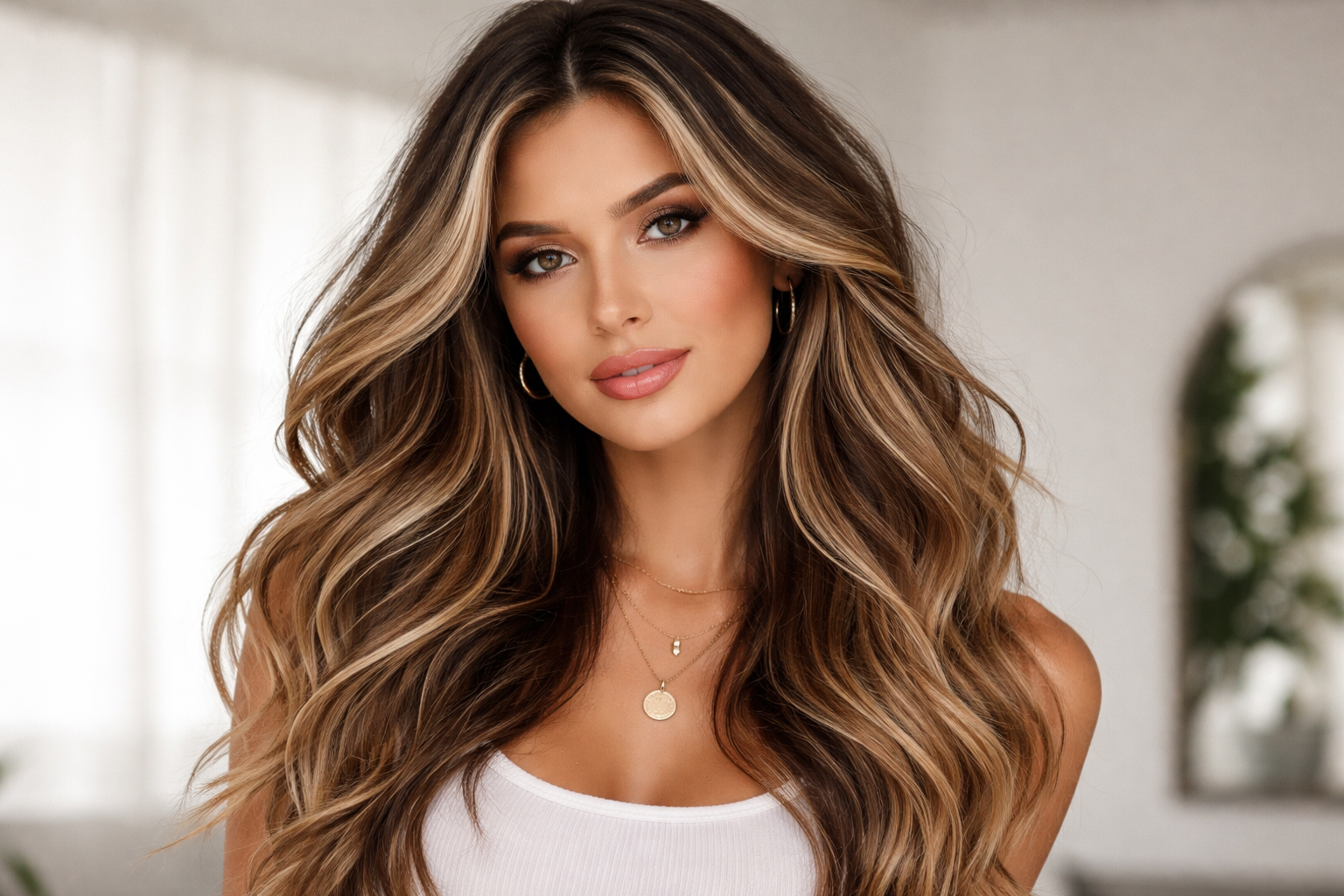
Hair Coloring Questions: Highlights, Color & Maintenance FAQ
Considering professional hair color but unsure what to expect? These common hair coloring questions cover how professional color works, different highlighting techniques, maintenance, hair health, touch-ups, and caring for your color at home.
Whether you’re considering your first color service or changing your existing shade, understanding the process can help you have a more productive conversation with your stylist and choose a color approach that works with your hair and lifestyle.
What Is Professional Hair Coloring?
Professional hair coloring changes, enhances, darkens, lightens, or adjusts the tone of your natural or previously colored hair. Depending on your goal, a stylist may use permanent color, demi-permanent color, lightener, toner, or a combination of professional products and techniques.
Your starting color, previous chemical services, hair condition, texture, and desired result can all influence the process your stylist recommends.
What Are Hair Highlights?
Highlights are selected strands or sections of hair that a stylist lightens to create brightness, contrast, and dimension against the surrounding hair.
Highlight placement can range from very subtle pieces to much brighter sections throughout the hair. Therefore, two clients can both receive highlights while achieving completely different finished looks.
How Does Hair Highlighting Work?
During highlighting, your stylist separates selected sections of hair and applies an appropriate lightening product. The placement, section size, processing, and finished tone depend on the result you want.
Your stylist may concentrate brightness around the face, distribute it throughout the hair, or combine lighter and darker pieces to create additional dimension.
What Are the Most Common Types of Hair Highlights?
Several highlighting techniques can create different levels of brightness, contrast, and dimension.
Foil Highlights
Foil highlighting allows a stylist to isolate specific sections of hair. Placement can range from subtle highlights to noticeably brighter results throughout the hair.
Balayage
Balayage generally uses strategically painted lightener to create customized placement and softer transitions between lighter and darker areas.
Babylights
Babylights use very fine sections to create delicate brightness and subtle dimension.
Lowlights
Lowlights introduce darker pieces rather than lighter ones. Stylists can use them to create depth, contrast, or additional dimension within the overall color.
What Is Balayage?
Balayage is a customized coloring technique that creates strategically placed lighter sections through the hair. Stylists often use it to produce dimensional color with softer transitions.
Because placement plays such an important role in the finished result, balayage can look very different from one client to another.
If you’re considering this technique, learn more about Bell Arte Hair Studio’s professional balayage hair coloring and how the service can be customized around your desired look.
Can Hair Color and Highlights Be Customized?
Yes. Customization is one of the major advantages of professional hair coloring.
A stylist can consider your:
- Natural hair color
- Previous color history
- Hair texture
- Hair density
- Current condition
- Desired brightness
- Preferred tone
- Skin undertone
- Maintenance preferences
- Long-term color goals
Rather than using the same formula and placement for everyone, your stylist can develop a plan around your individual hair and desired result.
Does Coloring Damage Hair?
This is one of the most common hair coloring questions.
Coloring and especially lightening can affect the hair’s structure and condition. The degree of change depends on factors such as the products and techniques used, the amount of lightening required, previous chemical services, processing, and the condition of your hair before the appointment.
A professional stylist can evaluate your hair before recommending a coloring approach.
Can Previously Colored Hair Be Lightened?
Potentially, but your existing artificial color can influence both the process and the result.
Always tell your stylist about previous permanent color, box dye, highlights, bleach, toners, and other chemical services. Even color applied months ago may remain within the lengths of your hair.
Your stylist can use this history along with the current condition of your hair to discuss realistic options.
How Long Does Hair Color Last?
There isn’t one answer because different types of color behave differently.
Permanent color, demi-permanent color, toners, highlights, and vivid shades don’t all fade or grow out at the same rate.
Washing frequency, shampoo selection, heat styling, UV exposure, water quality, hair condition, and your starting color can also influence how your color looks between appointments.
How Long Do Highlights Last?
Highlights don’t simply disappear after a set number of weeks. Because the stylist lightens selected strands, those sections remain lighter while your natural hair continues growing from the roots.
Eventually, you may want your stylist to refresh the highlights, adjust the tone, brighten certain sections, or blend new growth.
How Often Should Hair Color Be Touched Up?
Touch-up frequency depends on your specific color.
For example, someone covering noticeable gray regrowth may prefer appointments more frequently than someone with softly blended dimensional highlights.
Instead of following a universal schedule, ask your stylist when your particular color will likely need refreshing.
How Often Should Highlights Be Refreshed?
The answer depends on placement, contrast, your natural color, and how you prefer your highlights to look as they grow.
Highly contrasted highlights may show regrowth sooner, while softer dimensional placement may create a more gradual transition.
Your stylist can also refresh selected areas instead of repeating exactly the same service during every appointment.
What Is Hair Toner?
A toner helps refine or adjust the tone of previously lightened hair.
For example, after lightening, your stylist may use a toner to create a cooler, warmer, beige, creamy, or more neutral finished appearance.
Toners don’t necessarily last as long as the lightened sections themselves, so your stylist may recommend refreshing the tone between larger color appointments.
Why Does Blonde Hair Sometimes Become Brassy?
Lightened hair can gradually reveal warmer yellow, gold, orange, or copper tones as toner fades or environmental factors affect the color.
The appropriate solution depends on your blonde and the unwanted tone you’re seeing. Ask your stylist whether you need a professional toner, changes to your home-care routine, or another approach.
Should I Use Purple Shampoo on Highlighted Hair?
Not everyone with highlights needs purple shampoo.
Purple pigments can help counter certain yellow tones in lighter hair, but the correct product and frequency depend on your color.
Using too much toning product can also change the appearance of some blondes. Ask your stylist whether purple shampoo belongs in your individual home-care routine.
How Should Colored Hair Be Cared for at Home?
Good home care can help maintain the appearance and condition of professionally colored hair.
Your routine may include:
- Shampoo and conditioner appropriate for color-treated hair
- Conditioning products suited to your texture
- Heat protection before hot-tool styling
- Moderate styling temperatures
- Reduced unnecessary heat exposure
- Gentle detangling
- Additional conditioning when needed
- Products recommended for your specific color
Your stylist can recommend products based on your individual hair rather than relying on a universal routine for every person with colored hair.
Does Hot Water Make Hair Color Fade Faster?
Very hot water can be unnecessarily harsh on both your hair and scalp. Using lukewarm water and handling colored hair gently can form part of an overall color-care routine.
Washing frequency and the products you use also influence how your hair looks and feels between salon visits.
Should You Use Heat Protection on Colored Hair?
Yes, particularly if you regularly blow-dry, straighten, or curl your hair.
Repeated exposure to excessive heat can affect hair condition. Use an appropriate heat protectant and avoid temperatures higher than necessary for your hair type.
Are Highlights Suitable for All Hair Types?
Stylists can create highlights on many different hair types and textures. However, the technique, section size, placement, products, and amount of lightening may vary.
Your stylist should consider your texture, density, condition, starting color, previous chemical services, and desired result before developing the highlighting plan.
Can Fine Hair Have Highlights?
Yes. Fine hair can have highlights, but thoughtful placement becomes particularly important.
Depending on your goals, strategically placed brightness can create visual dimension without requiring extremely heavy highlighting throughout the entire head.
Can Curly Hair Be Highlighted?
Yes. Highlight placement on curly or textured hair should account for the natural curl pattern and how the hair moves when worn in its usual state.
Bring photographs showing how you normally wear your hair so your stylist understands how you want the finished color to appear.
Can You Combine Hair Color and Highlights?
Yes. A stylist may combine a base color with highlights, lowlights, toning, or other techniques to create a multidimensional result.
The appropriate combination depends on your starting hair and desired finished color.
Bell Arte Hair Studio provides professional hair color and highlighting services customized around the client’s hair, color history, and goals.
Should I Bring Inspiration Photos to My Color Appointment?
Yes. Inspiration photographs can help communicate the brightness, tone, contrast, and placement you prefer.
Bring several examples rather than relying on a single photograph. You can also show your stylist colors you don’t like.
Remember that lighting, filters, editing, starting hair color, and individual hair texture can influence how color appears in photographs.
What Should I Tell My Stylist Before Coloring My Hair?
Give your stylist an accurate history of previous coloring and chemical services.
Mention:
- Permanent hair color
- Box dye
- Previous highlights
- Bleaching or lightening
- Color corrections
- Keratin or smoothing treatments
- Other significant chemical services
This information can help your stylist make better-informed decisions about your service.
Is a Hair Color Consultation Important?
Yes, especially when you’re planning a significant change.
A consultation allows your stylist to examine your current hair, discuss your color history, understand your inspiration, evaluate maintenance expectations, and explain what may realistically be possible.
For major transformations, your stylist may also recommend approaching the desired color gradually rather than trying to achieve every change during one appointment.
Are There Safety Precautions With Hair Dye?
Hair-color products contain ingredients that require appropriate handling and use. Follow professional guidance and product instructions, particularly regarding sensitivities and reactions.
Hair Coloring Questions to Ask During Your Consultation
If you’re considering a new color or highlights, useful questions for your stylist include:
- Can my current hair safely achieve this color?
- Will this require more than one appointment?
- What type of highlights would create this result?
- How much maintenance will this color require?
- How often should I return for touch-ups?
- Will I need toner between appointments?
- Which home-care products should I use?
- Should I use purple or color-depositing shampoo?
- How should I protect my hair from heat?
- How will this color look as my natural hair grows?
Get Answers Before Making a Major Hair Color Change
Understanding the answers to common hair coloring questions can make it easier to communicate your goals and understand what professional coloring involves.
Likewise, asking specific hair highlights questions about placement, maintenance, toning, hair condition, and home care can help you and your stylist develop a plan that works for your individual hair.
Whether you’re considering subtle highlights, dimensional color, balayage, gray coverage, or a significant color change, start with a professional consultation and a clear discussion about your starting hair, desired result, and maintenance expectations.