
Hair Extensions Correction: Common Questions Answered
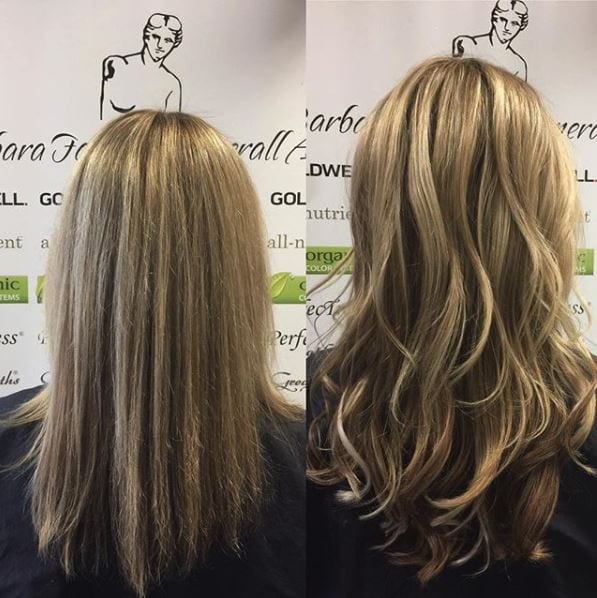
Hair extensions should enhance your natural hair—not leave you dealing with visible bonds, poor blending, uncomfortable tension, uneven length or extensions that simply don’t look right.
Hair extensions correction helps fix problems with an existing extension installation. Depending on the issue, a stylist may reposition extensions, remove and reinstall them, improve the blend, correct the color match or recommend a different extension method.
Below, we answer common questions about correcting a bad or unsuccessful hair extension installation.
What Is Hair Extensions Correction?
Professional hair extensions correction addresses problems with placement, blending, attachment, color, comfort or overall appearance.
Starting over isn’t always necessary. In fact, a stylist can adjust some installations, while others require partial or complete removal before reinstallation.
Why Might Hair Extensions Need Correction?
Several problems can lead to a correction, including:
- Visible bonds, beads or attachment points
- Uneven or unnatural-looking length
- Poor blending between natural hair and extensions
- Incorrect extension color
- Too much or too little extension hair
- Improper placement
- Excessive tension or pulling
- Matting or tangling near attachment points
- Extensions that frequently slip or become loose
- An extension method that doesn’t suit the natural hair
First, the stylist needs to determine why the installation isn’t working. From there, they can choose the appropriate correction.
What Are Signs of a Bad Hair Extension Installation?
Extension attachment points may initially feel unfamiliar. However, persistent pain or excessive pulling deserves attention.
Other warning signs include obvious attachment points, sections that don’t blend, uneven distribution, excessive matting, repeated slipping or significant tension on the natural hair.
Therefore, schedule an evaluation early if you’re concerned about your installation. Addressing the problem promptly can make correction easier.
Should Hair Extensions Hurt After Installation?
Persistent pain, significant scalp discomfort or excessive pulling shouldn’t occur with properly fitted hair extensions.
Initially, some clients notice the attachment points because they aren’t accustomed to wearing extensions. However, significant or continuing discomfort warrants professional attention.
For that reason, contact an experienced extension stylist if your extensions feel excessively tight rather than waiting for severe discomfort to disappear on its own.
Can a Stylist Fix Extensions That Feel Too Tight?
Yes. However, the appropriate solution depends on the attachment method and severity of the problem.
Repositioning or reinstalling extensions may become necessary when they place excessive tension on the natural hair. As a result, better placement and weight distribution can reduce unnecessary pulling.
Most importantly, don’t simply leave a painful installation in place.
Can a Stylist Fix Visible Hair Extension Bonds?
Often, yes.
Incorrect placement, insufficient natural hair, an unsuitable installation pattern or natural hair growth can expose attachment points.
After examining the extensions, a stylist can reposition individual attachments or remove and reinstall affected sections.
Can a Stylist Improve Poorly Blended Hair Extensions?
Yes. Poor blending creates one of the most noticeable extension problems.
Ideally, the natural hair and extensions should transition smoothly rather than appearing as two separate lengths.
Depending on the installation, a stylist may:
- Adjust extension placement
- Add or remove extension hair
- Customize the extension haircut
- Improve the distribution of length and volume
- Correct the color match
Ultimately, these adjustments can create a more cohesive transition between the client’s natural hair and extension hair.
Can a Stylist Correct Mismatched Extension Color?
Often, yes.
Creating a natural-looking installation may require more than one extension shade. After all, natural hair frequently contains highlights, lowlights and varying tones from the roots through the ends.
Therefore, a stylist may replace certain extension shades, blend multiple colors or make appropriate color adjustments.
Because manufacturers often process extension hair before installation, stylists should approach significant color changes carefully.
Can a Stylist Correct Extensions That Are Too Long?
Yes. Customizing and reshaping the extensions can create a more natural transition into the client’s existing haircut.
However, length isn’t the only consideration. Density and shape also influence the finished result.
For example, dramatically longer extensions may require additional blending or a different distribution of extension hair.
Can a Stylist Fix Uneven Hair Extensions?
Yes. First, the stylist determines whether the uneven appearance comes from the haircut, extension placement, unequal density or another installation issue.
Next, they may reposition the extensions, improve the cut and blend, add hair or remove unnecessary sections.
Why Do Hair Extensions Slip?
Several factors can cause slipping, and the cause often depends on the extension method.
For instance, improper installation, unsuitable sections of natural hair, certain hair products or overdue maintenance can all contribute to the problem.
Once the stylist inspects the attachments, they can determine whether the extensions need repositioning, reattachment or replacement.
What Should You Do About Matted Hair Extensions?
The solution depends on the severity and location of the matting.
Minor tangling may only require careful professional attention. In contrast, severe matting around attachment areas can make professional removal necessary.
Therefore, avoid aggressively pulling or cutting through matted extensions because doing so may place unnecessary stress on your natural hair.
Can Hair Extensions Cause Breakage?
Adding extensions increases the weight carried by natural hair. Therefore, method selection, attachment size, placement and maintenance all matter.
Excessive weight, poor installation, inadequate maintenance or prolonged tension can contribute to unnecessary stress and breakage.
How Can Hair Extensions Correction Help Protect Natural Hair?
Proper correction can address excessive tension, poor weight distribution, matting and inappropriate attachment placement.
More importantly, the goal isn’t simply to make the extensions look better. A good correction also considers how much weight and tension the natural hair can support.
When natural hair appears fragile, the stylist may recommend removing extensions or changing methods instead of immediately reinstalling the same system.
Can a Stylist Fix Bad Extensions Without Removing Them?
Sometimes.
For example, minor placement, blending or maintenance problems may only require adjustments.
However, removal and reinstallation may provide a better solution when the original installation creates excessive tension, uses unsuitable placement or relies on an extension method that doesn’t fit the client’s natural hair.
When Should Hair Extensions Come Out Completely?
Complete removal may make sense when problems affect a large portion of the installation or prevent safe correction while the extensions remain attached.
For example, widespread matting, severe placement problems, inappropriate weight distribution, extensive attachment failure or an unsuitable extension method may justify removal.
Ultimately, the stylist should examine both the extensions and natural hair before deciding how to proceed.
Can Bell Arte Correct Extensions Installed at Another Salon?
Yes. Hair extension correction often involves work that another stylist originally performed.
An experienced extension stylist can inspect the existing method, placement, attachment condition, extension hair and natural hair before determining the appropriate correction.
However, preserving every part of the original installation isn’t always possible. Sometimes the stylist must remove some or all of the extensions to correct the problem properly.
What Happens During a Hair Extension Correction Consultation?
A correction consultation identifies the problem before the stylist makes changes.
During the consultation, the stylist may examine:
- Natural hair condition
- Extension attachment method
- Placement
- Weight and density
- Color match
- Texture match
- Blending
- Matting or tangling
- Slipping attachments
- Scalp tension or discomfort
- Previous extension history
Afterward, the stylist can recommend adjustments, partial removal, complete removal or a different extension method.
How Does a Stylist Perform Hair Extensions Correction?
Every correction differs because the solution depends on the underlying problem.
Depending on the situation, the correction process may include:
- Removing problematic extensions
- Repositioning attachment points
- Reinstalling extensions
- Changing the installation pattern
- Reducing excessive extension weight
- Adding hair where additional density is needed
- Improving the color match
- Cutting and blending the extensions
- Changing to a more appropriate extension method
As a result, a customized correction addresses the actual problem instead of treating every unsuccessful installation the same way.
Can a Stylist Reuse the Same Extension Hair During Correction?
Sometimes. Reusability depends on the extension method and condition of the hair.
For example, certain Tape-In, I-Tip and Micro Link systems may allow reuse when the extension hair remains in suitable condition. Other methods work differently.
However, severely damaged, tangled or poor-quality extension hair may require replacement.
How Long Does Hair Extensions Correction Take?
The time required depends on the extent of the problem.
For instance, a relatively minor adjustment can take considerably less time than removing and rebuilding an entire installation.
Additionally, the number of extensions, attachment method, amount of matting, natural hair condition and need for repositioning or replacement all affect appointment time.
Therefore, a consultation gives your stylist enough information to provide a more accurate estimate.
How Soon Can You Reinstall Extensions After Removal?
There isn’t a universal waiting period.
When the natural hair and scalp remain in good condition, immediate or prompt reinstallation may sometimes work.
On the other hand, significant breakage, irritation, excessive shedding or another concern may make waiting more appropriate.
Ultimately, the condition of the natural hair—not an arbitrary number of days—should guide the decision.
Can You Change Extension Methods During a Correction?
Yes. In some situations, changing the attachment method can improve the correction plan.
For example, another system may better suit the client’s natural density, texture, lifestyle or styling preferences.
Bell Arte works with multiple professional extension methods. As a result, Barbara can consider the client’s natural hair rather than relying on one extension method for every situation.
How Should You Maintain Corrected Hair Extensions?
After correction, follow the maintenance instructions for your specific extension method.
For example, good extension care may include:
- Brushing gently and regularly
- Supporting the hair while detangling
- Avoiding unnecessary pulling on attachment points
- Using products appropriate for the extension system
- Limiting excessive heat
- Preventing tangles and matting around attachment areas
- Attending recommended maintenance appointments
In addition, the American Academy of Dermatology recommends gentle hair handling and limiting excessive heat as part of healthy hair care.
How Can You Prevent Future Hair Extension Problems?
First, choose an extension method that suits your natural hair. Appropriate attachment weight and placement can also reduce unnecessary tension.
Next, follow your stylist’s home-care instructions and maintain the extensions according to the requirements of your particular system.
Finally, contact your stylist when you first notice a problem rather than waiting until it becomes severe.
Who Benefits From Hair Extensions Correction?
Correction may help someone experiencing:
- Visible attachment points
- Uncomfortable or overly tight extensions
- Poor blending
- Uneven length
- Color mismatch
- Frequent slipping
- Root matting or excessive tangling
- Inappropriate extension placement
- Extensions that appear too heavy for the natural hair
- An installation that doesn’t produce the expected result
Fortunately, you don’t need to know exactly what went wrong before scheduling a consultation. Identifying the cause forms part of the professional evaluation.
Hair Extensions Correction in Tampa
If you’re unhappy with an existing extension installation, Bell Arte Hair Studio provides professional hair extensions correction in Tampa.
With more than 20 years of hairstyling experience, Barbara specializes in human hair extensions. She begins each correction by examining the existing installation and natural hair. Afterward, she determines whether adjusting, removing, reinstalling or replacing the extensions offers the better approach.
In addition, Bell Arte works with several extension methods, including K-Tip and keratin bond extensions, Tape-In extensions, I-Tip extensions and Micro Link extensions.
Should You Correct or Completely Replace Your Hair Extensions?
The answer depends on the quality of the extension hair, installation method, attachment condition and health of your natural hair.
When the extension hair remains in good condition and placement or blending causes the problem, a stylist may successfully correct the installation.
However, severely damaged extension hair, an unsuitable installation or stressed natural hair may make removal or replacement the better approach.
Therefore, a professional hair extension consultation allows Barbara to examine these factors before performing additional work.
Hair Extensions Correction: The Bottom Line
A disappointing extension installation doesn’t always mean you have to live with the result.
Fortunately, an experienced extension stylist can address many problems, including visible bonds, poor blending, mismatched color, uneven density, slipping, matting and uncomfortable tension.
Most importantly, successful correction starts with identifying the cause and choosing a solution that considers both the finished appearance and the condition of your natural hair.
Bell Arte Hair Studio
15241 N. Dale Mabry Hwy, Studio #6
Tampa, FL 33618
Phone: (754) 343-0214
Email: bellartesalon@gmail.com