
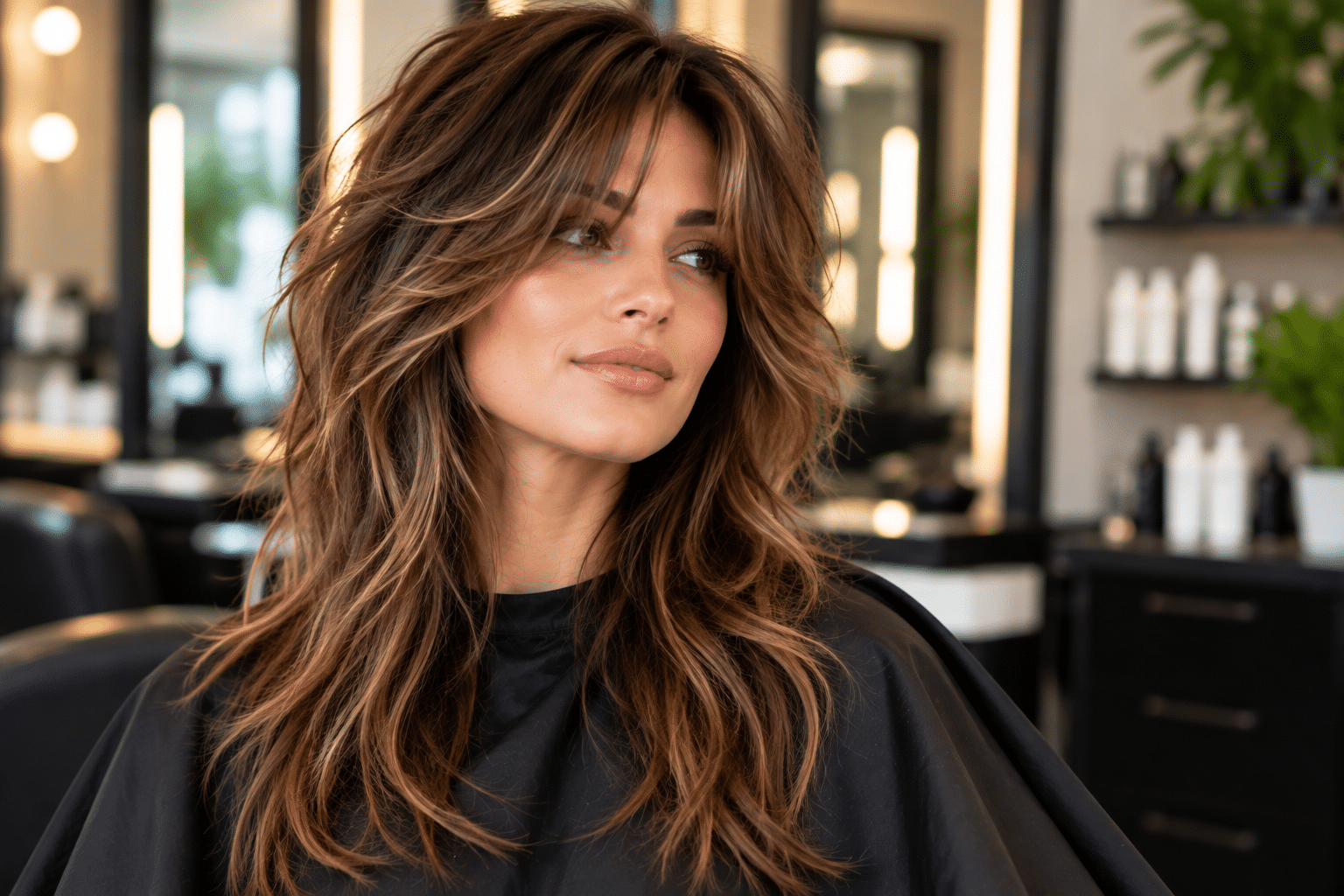
Wolf Cut Tampa: Is a Wolf Cut Good for Thin Hair?
If you’re considering a wolf cut Tampa hairstyle but have fine or thin hair, you may wonder whether this heavily layered style will work for you. A wolf cut for thin hair can add texture, movement, and the appearance of volume when a stylist carefully controls the layers. However, removing too much weight can make thin hair appear even thinner. Therefore, the key is customizing the wolf cut to your individual hair density, texture, length, and face shape.
At Bell Arte Hair Studio in Tampa, a stylist can evaluate your hair before deciding how much layering and texture will work best. As a result, you can achieve the character of a wolf cut without unnecessarily sacrificing fullness.

What Is a Wolf Cut?
A wolf cut combines characteristics of a shag haircut with elements of a mullet. Typically, the style features shorter layers around the crown and face with longer sections toward the back. Additionally, stylists use texture throughout the haircut to create movement and separation.
However, there isn’t one standard wolf cut. Your stylist can adjust the length, layering, bangs, texture, and overall shape according to your hair and desired look.
Why Is the Wolf Cut So Popular?
The wolf cut has become popular because it offers several styling possibilities:
- Texture: Layering creates movement throughout the hair.
- Volume: Strategic layers can create lift, particularly around the crown.
- Versatility: Stylists can adapt the cut for different lengths and textures.
- Face framing: Shorter sections can frame and highlight facial features.
- Individuality: The haircut can range from subtle and blended to dramatic and heavily textured.
Consequently, a professional wolf cut Tampa stylist can modify the basic shape instead of giving every client the same haircut.

Is a Wolf Cut Good for Thin Hair?
Yes, a wolf cut can work for thin hair, but the amount and placement of the layers matter. Strategic layering can add movement and create the appearance of additional volume. However, excessive layering can remove too much density from the ends.
Therefore, a wolf cut for thin hair usually requires a more customized approach than a heavily layered wolf cut designed for very dense hair.
For example, your stylist may preserve additional weight through the perimeter while creating controlled texture around the crown and face. As a result, the hair can maintain a fuller appearance while still achieving the recognizable wolf-cut shape.
Can a Wolf Cut Make Thin Hair Look Thicker?
A wolf cut can make some thin hair appear fuller because shorter layers can create lift and movement. However, a haircut cannot actually increase hair density.
The visual effect depends heavily on the stylist’s technique. For example, carefully placed crown layers can create height, while face-framing pieces can add movement. Meanwhile, maintaining sufficient weight through the lower sections can prevent the ends from looking overly sparse.
Therefore, the goal isn’t simply to add as many layers as possible. Instead, your stylist should place layers where they create movement without sacrificing too much density.
Benefits of a Wolf Cut for Thin Hair
When properly customized, a wolf cut for thin hair can provide several advantages.
Creates Movement
Thin hair can sometimes appear flat, particularly when it has one length. In contrast, strategic layers create different lengths that can introduce movement throughout the haircut.
Adds Crown Volume
Shorter layers near the crown can reduce some of the weight pulling the hair downward. Consequently, styling the crown with additional lift may become easier.
Adds Texture
A wolf cut emphasizes texture rather than an extremely smooth, uniform finish. Therefore, it can complement clients who want a more relaxed, dimensional hairstyle.
Frames the Face
Your stylist can customize shorter layers around the face. For example, face-framing pieces or curtain-style bangs can become part of the overall wolf-cut shape.
Works With Different Lengths
You don’t necessarily need long hair for a wolf cut. Instead, stylists can create short, medium, or long variations depending on your starting length and desired result.
Can Too Many Layers Make Thin Hair Look Thinner?
Yes. This becomes especially important when considering a wolf cut because layering defines the style.
Removing too much hair can reduce the visual density of the lower sections and ends. Consequently, someone with very thin hair may need fewer or longer layers than someone with thick, dense hair.
Therefore, tell your stylist that maintaining fullness matters to you. A skilled stylist can balance texture with density instead of aggressively removing weight.
Long Wolf Cut for Thin Hair
A longer wolf cut for thin hair can work well for clients who want movement without giving up their length. However, the stylist should carefully consider how much density remains through the ends.
For example, longer layers can create movement while preserving more weight than extremely short, disconnected layers. Additionally, subtle face framing can provide the wolf-cut appearance without dramatically reducing the overall density.
However, very long thin hair can sometimes develop sparse-looking ends. Therefore, your stylist may recommend adjusting the overall length to create a stronger perimeter.
Short Wolf Cut for Thin Hair
A shorter wolf cut can also complement thin hair. Because shorter hair carries less weight, it can sometimes create more natural lift around the crown.
Additionally, shorter lengths allow your stylist to emphasize texture and movement without relying on extremely long layers.
However, the stylist should still preserve enough density in key areas. As a result, the haircut can look intentionally textured rather than overly thinned.
Medium-Length Wolf Cut for Thin Hair
A medium-length wolf cut can offer a balance between the short and long versions. For example, shoulder-length hair provides enough length to show the layered shape while still allowing the stylist to maintain a stronger perimeter.
Additionally, medium lengths can work with waves, straight styling, curtain bangs, and face-framing layers.
Therefore, this length can provide considerable flexibility for someone exploring a wolf cut Tampa style.
Can You Have a Wolf Cut With Fine, Straight Hair?
Yes. Fine, straight hair can work with a wolf cut, although styling may influence how clearly the layers appear.
For example, lightweight volumizing products and strategic blow-drying can create lift and separation. Additionally, subtle waves can emphasize the different layers.
However, avoid loading fine hair with heavy styling products. Instead, use lightweight products that create texture without unnecessarily weighing down the hair.
Can You Have a Wolf Cut With Wavy Hair?
Yes. Natural waves can complement the layered structure of a wolf cut because the texture naturally creates movement and separation.
Additionally, the stylist can adjust the layers according to how your waves naturally form. Therefore, tell your stylist how you normally wear and style your hair before the haircut begins.
Can You Have a Wolf Cut With Curly Hair?
Yes, although curly hair requires careful consideration because curls can change how the layers sit after the hair dries.
Consequently, your stylist should consider your curl pattern, density, shrinkage, and normal styling routine before determining the length of each layer.
A customized approach can help maintain the wolf-cut shape while allowing the curls to move naturally.

by TYMO Beauty (https://unsplash.com/@tymobeauty)
How to Style a Wolf Cut for Thin Hair
The haircut creates the foundation, but styling can emphasize the texture and movement of a wolf cut for thin hair.
Choose Lightweight Styling Products
Heavy products can weigh down some fine or thin hair. Therefore, start with lightweight volumizing or texturizing products appropriate for your particular hair type.
Create Lift at the Roots
Root lift can emphasize the shorter layers around the crown. For example, your stylist can show you a blow-drying technique that works with your natural growth pattern.
Use Texture Strategically
Wolf cuts don’t require perfectly smooth styling. Instead, controlled texture can help define the layers and create additional movement.
Protect Your Hair From Excessive Heat
Heat tools can help shape the haircut. However, excessive heat can contribute to hair damage. Therefore, use an appropriate heat protectant and avoid temperatures higher than necessary.
The American Academy of Dermatology offers healthy hair-care recommendations that include guidance for washing, drying, styling, and reducing unnecessary hair damage.
Does a Wolf Cut Require a Lot of Maintenance?
The amount of maintenance depends on the specific shape and your desired appearance. Because a wolf cut relies heavily on layering, the shape can change as those layers grow.
However, you don’t necessarily need constant salon visits. Instead, your stylist can recommend a haircut schedule based on your length, growth rate, and preferred shape.
Additionally, a softer wolf cut may grow out differently from a highly structured or dramatic version.
Wolf Cut vs. Shag for Thin Hair
Wolf cuts and shag haircuts share several characteristics, particularly layering and texture. However, the exact shape and distribution of the layers can differ.
A wolf cut often emphasizes shorter layers around the crown with longer sections toward the back. Meanwhile, shag haircuts can vary considerably in their layering patterns and overall silhouette.
Therefore, bring reference photographs to your consultation rather than relying exclusively on the haircut name. This helps your stylist understand the exact shape you want.
Wolf Cut vs. Bob for Thin Hair
A wolf cut emphasizes layers, movement, and texture. In contrast, a bob often maintains a stronger perimeter and can create a denser appearance through the ends.
Therefore, clients who prioritize maximum visual fullness may prefer a bob or lob. Meanwhile, clients who prioritize movement and texture may prefer a customized wolf cut.
However, your stylist can also combine characteristics of different styles. Consequently, you don’t necessarily need to choose a textbook version of either haircut.
What Should You Ask for at a Wolf Cut Tampa Consultation?
If you’re considering a wolf cut Tampa hairstyle, bring several reference photographs to your consultation. Additionally, explain what you like about each image rather than simply asking for “a wolf cut.”
For example, discuss:
- How much length you want to keep
- How much crown volume you want
- Whether you want bangs
- How much face framing you prefer
- Whether maintaining fullness is a priority
- How much daily styling you normally do
- Whether you usually wear your hair straight, wavy, or curly
As a result, your stylist can customize the haircut instead of copying a style that may have been created on someone with completely different hair density.
What If Your Hair Is Extremely Thin?
If your hair has naturally low density, your stylist may recommend modifying the traditional wolf cut. For example, they may use fewer layers, preserve additional weight through the ends, or create more subtle face framing.
However, if your hair has recently become noticeably thinner or you’re experiencing unusual shedding, a haircut won’t address the underlying cause.
The American Academy of Dermatology provides information about hair loss, including different forms of thinning and when professional evaluation may be appropriate.
How to Choose a Stylist for a Wolf Cut Tampa Hairstyle
When searching for a wolf cut Tampa stylist, look for someone who considers your actual hair rather than automatically creating aggressive layers.
A consultation should consider:
- Hair density
- Strand thickness
- Natural texture
- Current length
- Growth patterns
- Face shape
- Desired amount of volume
- Daily styling habits
Most importantly, tell your stylist if you’re concerned about your hair appearing thinner. Therefore, they can preserve density while deciding where texture and layers will provide the most benefit.
Frequently Asked Questions About Wolf Cuts for Thin Hair
Is a wolf cut good for thin hair?
Yes, a wolf cut can work for thin hair when the stylist carefully controls the amount and placement of the layers. Strategic layers can create movement and volume, while excessive layering can make some thin hair appear less dense.
Will a wolf cut make thin hair look thicker?
It can create the appearance of additional volume by adding movement and lift. However, the haircut doesn’t increase actual hair density.
Should fine hair have a wolf cut?
Fine hair can work with a wolf cut. However, the stylist may need to preserve more weight and use strategic layering to prevent the ends from appearing too thin.
Is a short wolf cut better for thin hair?
A shorter wolf cut can reduce some of the weight that pulls longer hair downward and may create additional lift. However, the best length depends on your density, texture, face shape, and preferred style.
Can you get a wolf cut without bangs?
Yes. Although many wolf cuts include curtain bangs or shorter face-framing pieces, bangs aren’t required. Your stylist can customize the front of the haircut according to your preferences.
Does a wolf cut work on straight thin hair?
Yes. Straight thin hair can work with a wolf cut, although lightweight styling products and root lift can help emphasize the layered texture.
Where can I get a wolf cut in Tampa?
Clients interested in a wolf cut Tampa hairstyle can visit Bell Arte Hair Studio in Tampa to explore professional haircut services and schedule a consultation.
Schedule a Wolf Cut Tampa Consultation
Ultimately, a wolf cut for thin hair can work beautifully when the stylist balances texture with density. The goal is not to remove as much hair as possible. Instead, strategic layering can create movement and shape while preserving fullness where you need it.
If you’re considering a wolf cut Tampa hairstyle, visit Bell Arte Hair Studio to learn more about professional haircuts and schedule a consultation.